 English
 Spanish
Understanding anger management class lengths for compliance

Many people assume all anger management classes last the same amount of time, but this is rarely true. If you’ve been ordered by a court or required by an employer to complete anger management training, you may feel confused about how many hours you actually need. Class lengths vary significantly based on your jurisdiction, the nature of your offense, and the type of program you choose. Understanding these differences is essential to meeting your legal or workplace obligations without delays or complications. This guide clarifies how anger management class lengths work and helps you select programs that satisfy your specific requirements.
Table of Contents
- Key takeaways
- Why anger management class lengths vary and what influences them
- Typical anger management class length ranges and their court acceptance
- Comparison of online, in-person, and hybrid anger management classes by length and convenience
- How to ensure your anger management class length meets court and employer requirements
- Find compliant anger management classes to meet your requirements
- Frequently asked questions
Key Takeaways
| Point | Details |
|---|---|
| Length varies by jurisdiction | Anger management class hours differ based on state guidelines, specific court orders, and the offense involved. |
| Offense drives hours | More serious offenses such as domestic violence typically require longer programs than minor or first time infractions. |
| Format and delivery matter | Group classes, individual counseling, and online modules alter the total hours and how the schedule is arranged. |
| Obtain written requirements | Always obtain a written hour requirement from the court or employer to prevent disputes about completion. |
Why anger management class lengths vary and what influences them
Courts and employers don’t assign anger management classes randomly. Anger management class lengths vary based on state legal guidelines and court requirements, reflecting the severity of the incident and local judicial standards. A minor workplace dispute might result in a four-hour class, while a domestic violence charge could require 24 hours or more. This variation exists because different offenses carry different risks and require different levels of intervention.
Local laws create the first layer of variation. Some states have specific statutes defining minimum class hours for certain offenses, while others leave the decision entirely to judicial discretion. Your judge reviews your case details, criminal history, and any aggravating factors before determining an appropriate class length. Employers follow similar logic, often basing requirements on company policy, union agreements, or the severity of workplace incidents.
Program formats also influence total hours. Group classes typically run longer because they accommodate multiple participants and include discussion time. Individual counseling sessions may be shorter per session but require more total sessions. Online programs offer the same content as in-person classes but allow you to complete modules at your own pace, which can extend or compress the total calendar time.
Some jurisdictions require a court mandated anger management evaluation before assigning class length. These assessments measure your anger intensity, impulse control, and risk factors to recommend appropriate intervention levels. A high-risk assessment typically results in longer class requirements, while lower-risk individuals may qualify for shorter programs.
Pro Tip: Always get your class length requirement in writing from the court or employer. Verbal instructions can be misunderstood, and written documentation protects you if disputes arise about whether you’ve completed enough hours.
- Court orders specify exact hour minimums you must meet
- Employer requirements may differ from legal mandates
- Assessment results can increase or decrease recommended hours
- Program type affects how hours are structured and delivered
- Documentation standards vary by jurisdiction and provider
Typical anger management class length ranges and their court acceptance
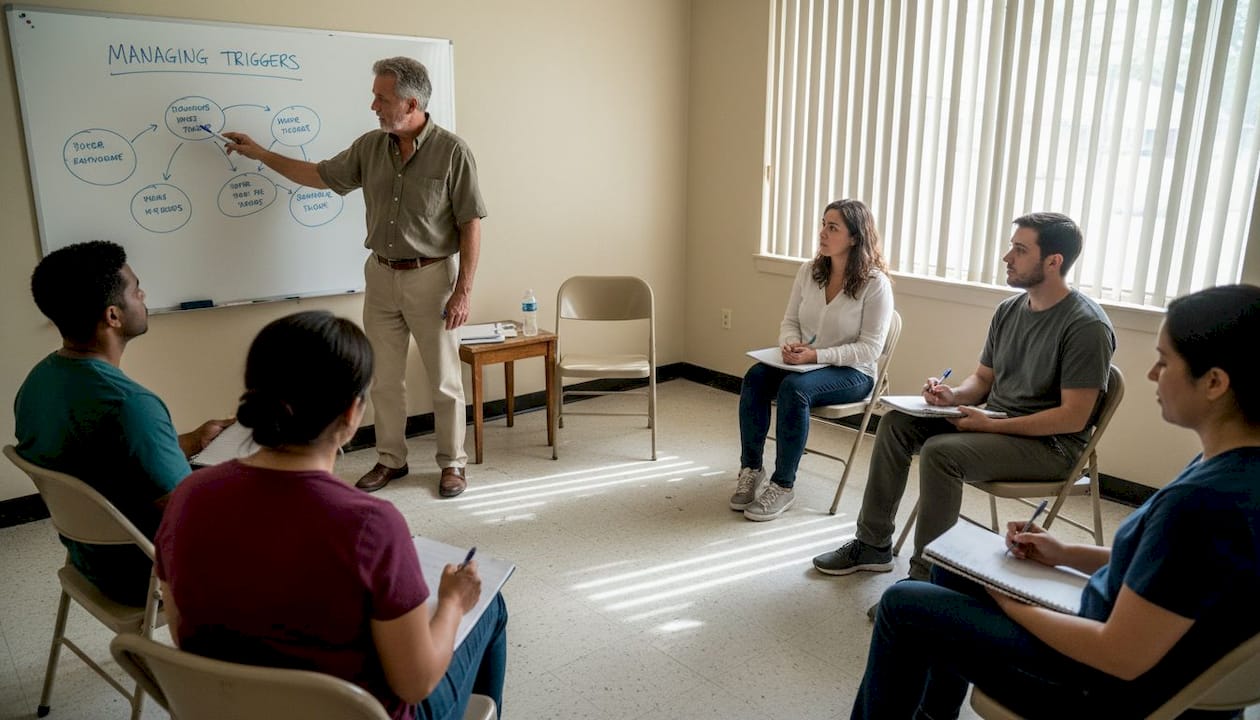
Most anger management courses span from 4 to 15 hours but can extend longer depending on court order. Short programs of four to six hours typically address first-time offenders or minor incidents. These condensed classes cover basic anger triggers, communication skills, and simple coping strategies. Courts use them for situations where the offense was relatively minor and the individual shows low risk of reoffending.

Moderate programs run eight to 12 hours and represent the most common court requirement. These classes provide deeper exploration of anger sources, emotional regulation techniques, and conflict resolution skills. You’ll typically attend multiple sessions over several weeks, allowing time to practice new skills between classes. This format works well for individuals who need more than basic education but don’t require intensive intervention.
Extended programs of 15 hours or more serve individuals with serious offenses, repeated incidents, or high-risk assessments. Some court orders mandate 24, 36, or even 52 hours of anger management education. These comprehensive programs include therapy-style components, detailed personal assessments, and ongoing accountability measures. They often combine group education with individual counseling sessions.
| Program length | Typical use case | Session structure | Court acceptance |
|---|---|---|---|
| 4-6 hours | Minor offenses, first-time incidents | 1-2 sessions | Widely accepted for low-level cases |
| 8-12 hours | Moderate offenses, workplace issues | 4-6 sessions over 2-4 weeks | Most common court requirement |
| 15-24 hours | Serious offenses, repeat incidents | 8-12 sessions over 1-2 months | Required for higher-risk cases |
| 36-52 hours | Domestic violence, severe cases | 12-26 sessions over 3-6 months | Mandated for serious legal matters |
Online courses must meet the same hour requirements as in-person classes. A 12-hour online program still requires you to complete 12 hours of content, even if you can pause and resume at your convenience. Courts that accept online programs typically require verification that you actually spent the mandated time engaged with course material, not just clicking through slides.
Always verify that your chosen program explicitly states it meets your jurisdiction’s requirements. Generic anger management classes may not satisfy court ordered anger management mandates if they lack proper certification or documentation. Check with your attorney or probation officer before enrolling to avoid wasting time and money on non-compliant programs.
- Four to six-hour programs suit minor, first-time offenses
- Eight to 12-hour classes represent the most common requirement
- Extended programs address serious or repeated incidents
- Online programs must match in-person hour requirements
- Court acceptance depends on provider certification and documentation
Comparison of online, in-person, and hybrid anger management classes by length and convenience
Online programs deliver the same educational content as in-person classes but allow you to complete sessions on your schedule. Online anger management programs often allow self-paced completion while meeting court-mandated hours. You might finish a 12-hour course over three days or spread it across three weeks, depending on your availability. This flexibility helps people with demanding work schedules or transportation challenges meet their requirements without disrupting their lives.
In-person programs follow fixed schedules with designated meeting times. You attend classes at specific locations, typically once or twice per week for several weeks. These sessions usually last one to three hours each. The structured format provides face-to-face interaction with instructors and other participants, which some courts prefer for accountability purposes. However, you must arrange your schedule around class times and handle transportation logistics.
Hybrid classes combine online learning with periodic in-person sessions. You might complete most coursework online but attend mandatory group sessions or individual check-ins at set intervals. This format offers more flexibility than pure in-person programs while maintaining the personal accountability some jurisdictions require. Hybrid programs work well if your court accepts online education but wants verification of your engagement.
| Format | Length flexibility | Scheduling | Court acceptance | Best for |
|---|---|---|---|---|
| Online | High – complete at your pace | 24/7 access, self-directed | Varies by jurisdiction | Busy schedules, remote locations |
| In-person | Low – fixed session times | Weekly classes at set times | Universally accepted | Those preferring face-to-face learning |
| Hybrid | Moderate – some flexibility | Mix of online and scheduled sessions | Growing acceptance | Balance of convenience and accountability |
Court acceptance remains the critical factor when choosing a format. Some jurisdictions readily accept online anger management programs court mandates, while others require in-person attendance. Always confirm your court’s policy before enrolling. If online programs are acceptable, verify the provider has proper certification and provides documentation your court will recognize.
Your learning style also matters. Some people absorb information better in structured classroom settings with immediate instructor feedback. Others prefer the privacy and flexibility of online learning. Consider how you learn best, but prioritize meeting your legal requirements above personal preference. Completing a less convenient program that satisfies your mandate beats failing to meet requirements with a more comfortable but non-compliant option.
Pro Tip: If you choose an online program, keep detailed records of your login times and completed modules. Some courts require proof you actually spent the mandated hours engaged with material, not just that you enrolled in a program.
- Online programs offer maximum scheduling flexibility
- In-person classes provide structured accountability
- Hybrid formats balance convenience with personal interaction
- Court acceptance varies significantly by jurisdiction and format
- Choose based on legal requirements first, personal preference second
How to ensure your anger management class length meets court and employer requirements
Start by getting your exact requirements in writing. Contact your court clerk, probation officer, or HR department and request written documentation of how many hours you must complete and any specific program criteria. This document becomes your reference point throughout the enrollment and completion process. Verbal instructions can be misinterpreted, and written proof protects you if questions arise later about whether you’ve met your obligations.
Research programs that explicitly state they satisfy your jurisdiction’s requirements. Look for providers who list specific states or courts they serve and display certification credentials prominently. Selecting court-approved programs with clear documentation is critical to fulfilling legal mandates. Generic anger management courses marketed to the general public often lack the certification courts require, even if they cover similar content.
Verify program credentials before enrolling. Check whether the provider is licensed in your state, how long they’ve operated, and whether they have established relationships with courts or employers. Legitimate providers clearly display their licensing information, instructor qualifications, and approval status. They should also explain exactly how they document and report your completion to relevant authorities.
- Request written documentation of your required class length and any specific program criteria from the mandating authority.
- Research providers who explicitly serve your jurisdiction and display proper certification credentials.
- Verify the provider’s licensing status, operational history, and relationships with courts or employers.
- Confirm how completion will be documented and reported to your court or employer before enrolling.
- Complete every required hour even if the content seems repetitive, as partial completion can result in non-compliance.
- Keep personal records of all attendance, completion certificates, and correspondence with the provider.
- Submit documentation to the appropriate authority promptly and retain proof of submission.
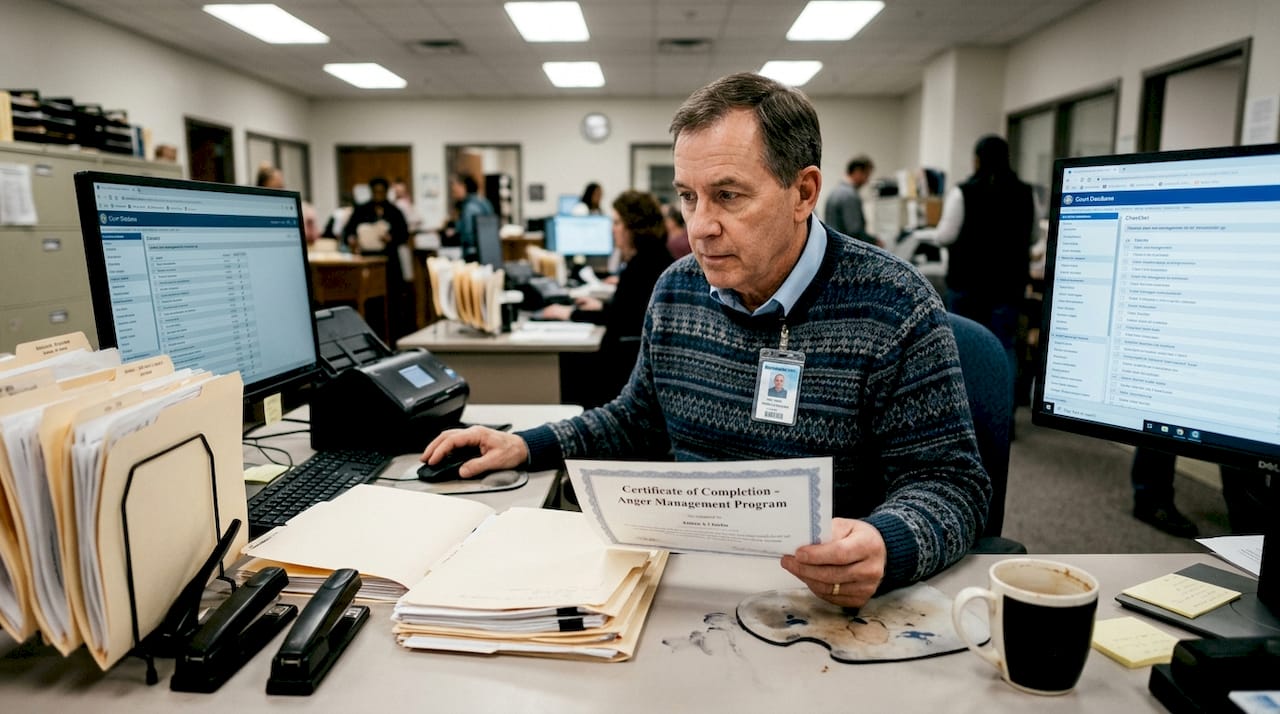
Understand the documentation process before you start. Ask how the provider reports completion, whether they send certificates directly to your court or employer, and how long processing takes. Some programs provide immediate digital certificates, while others mail physical documents that can take weeks to arrive. Plan accordingly if you face a deadline for completing your requirement.
Complete the full required hours even if you feel the material is basic or repetitive. Courts don’t accept partial completion, and trying to argue that you learned enough after eight hours of a 12-hour requirement won’t work. Anger management courses that meet court mandates have specific hour requirements for legal reasons, not educational ones. You must satisfy the legal mandate regardless of your personal assessment of the content value.
Pro Tip: Before your first class, ask the provider for a sample completion certificate. Verify it includes all information your court or employer requires, such as total hours completed, dates of attendance, provider credentials, and verification contact information.
“Ensuring your anger management program meets court requirements isn’t just about education. It’s about legal compliance and protecting your future. Always verify approval status before investing time and money in any program.”
Keep copies of everything. Maintain your own records of enrollment confirmation, attendance records, payment receipts, and completion certificates. If documentation gets lost or disputes arise, your personal copies can resolve issues quickly. Store both digital and physical copies in a safe place until your legal or employment matter is fully resolved.
Find compliant anger management classes to meet your requirements
You’ve learned how class lengths work and what compliance requires. Now you need a reliable provider who offers court-approved programs tailored to your specific situation. MasteringAnger.com has served thousands of court-ordered and employer-mandated clients since 2009, offering programs from four to 52 hours that courts nationwide recognize and accept.
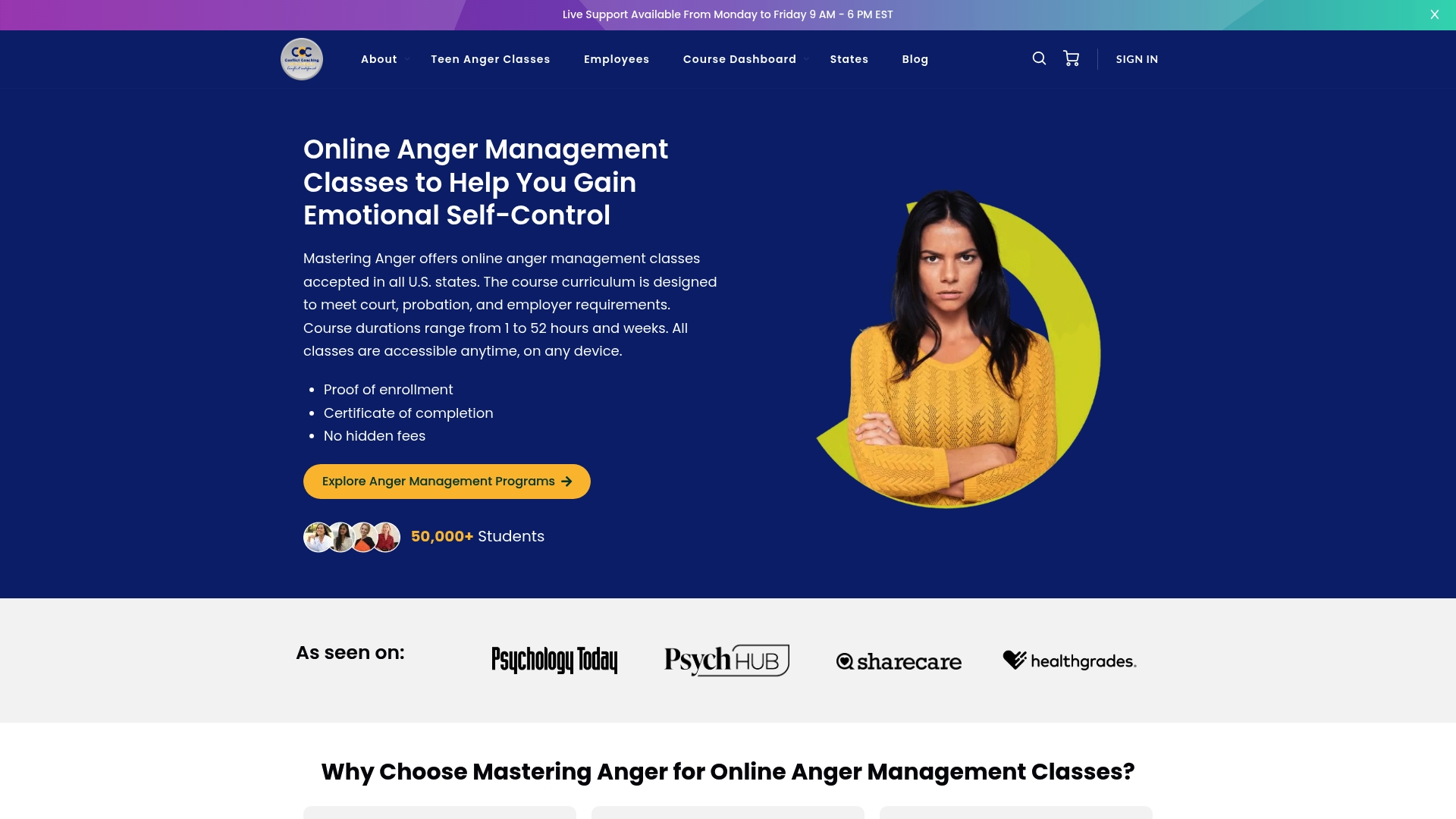
Our online platform provides the flexibility you need while maintaining the rigor courts demand. Whether you’re in Arizona, Washington, or anywhere else in the United States, our programs deliver certified education with documentation your court or employer will accept. We provide immediate digital certificates upon completion and maintain detailed records that satisfy even the strictest verification requirements. Visit MasteringAnger.com to find programs that match your mandated hours and get started on meeting your requirements today.
Frequently asked questions
How long do anger management classes typically last?
They usually range from four to 15 hours total, spread over days or weeks, though some serious cases require 24 to 52 hours. Classes vary significantly by court jurisdiction and state requirements. What matters most is meeting your specific mandated minimum hours, not comparing your requirement to others. See course comparisons for detailed breakdowns of different program lengths and their typical use cases.
Can I complete my anger management classes online to fulfill legal requirements?
Yes, many courts now accept online programs if they are properly approved and provide verifiable completion documentation. However, acceptance varies by jurisdiction, so always confirm with your court or probation officer before enrolling in an online program. Some courts still require in-person attendance for certain offense types or risk levels, particularly for domestic violence cases or repeat offenders.
What happens if I don’t complete the full required anger management class length?
Not completing required hours can lead to serious court penalties, including extended probation, additional fines, or even jail time in severe cases. It may also affect employment outcomes negatively, potentially resulting in termination or inability to return to work. Partial completion doesn’t count as compliance, so you must finish every mandated hour to satisfy your legal or workplace obligation. Visit our questions and answers page for more information about compliance requirements.
How do I know if an anger management program is court approved?
Court-approved programs clearly display their certification credentials, state licensing information, and which jurisdictions accept their courses. Contact the provider directly and ask whether they serve your specific court or county. Legitimate providers maintain relationships with courts and probation departments and can provide references or verification of their approval status. Always confirm approval before enrolling to avoid wasting time on programs your court won’t accept.
Can my required anger management class length be reduced if I show improvement?
Generally no. Courts set class length requirements based on offense severity and risk assessment, not on your progress during the program. Even if you demonstrate excellent understanding and behavior change, you must complete the full mandated hours. Some jurisdictions allow credit for prior counseling or therapy, but this requires formal approval before you start your anger management program. Never assume you can complete fewer hours than ordered without explicit written permission from your court.
Recommended
- Role of Anger Management Classes for Legal Compliance
- Choose anger management courses that meet court mandates
- Anger Management Course Comparison for Court
- Top 5 Anger Management Classes for Workplace Compliance 2026
Dr. Carlos Todd PhD LCMHC specializes in anger management, family conflict resolution, marital and premarital conflict resolution. His extensive knowledge in the field of anger management may enable you to use his tested methods to deal with your anger issues.

Responses