 English
 Spanish
Anger Management Course Comparison for Court

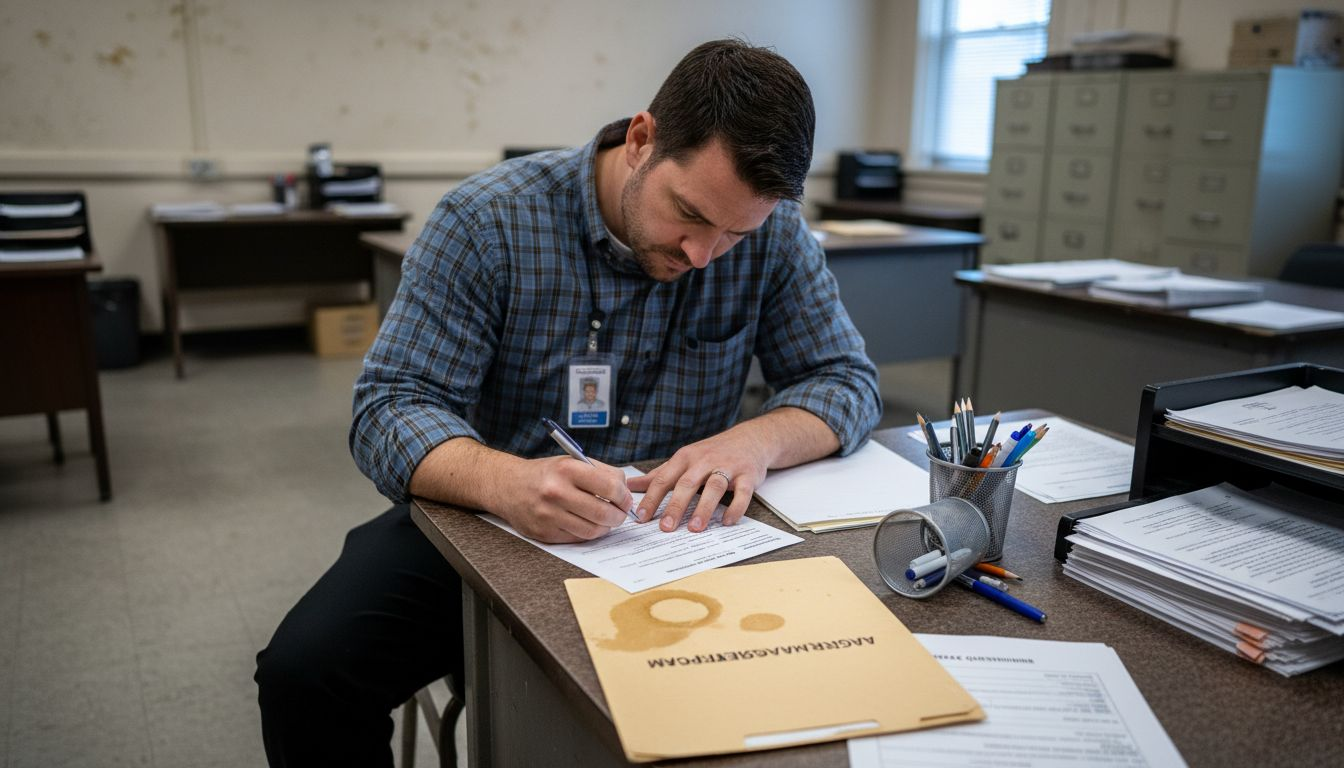
Being told by a court in the United States that you must complete an anger management class can feel overwhelming, especially when you want everything done right the first time. The difference between a generic self-help course and a valid, court-approved program often means the success or failure of your legal compliance. This guide gives you clear, practical details about what makes online anger management classes court-accepted so you can protect your time, money, and peace of mind.
Key Takeaways
| Point | Details |
|---|---|
| Understand Course Structure | Anger management classes vary in length from 4 to 52 hours and incorporate various techniques like cognitive-behavioral therapy. Choose a program that meets your court’s specific requirements to avoid rejecting certificates. |
| Verify Provider Legitimacy | Ensure the provider is licensed and the course meets court expectations by requesting detailed documentation. Check for guarantees and sample certificates to confirm acceptance. |
| Importance of Assessments | Enrollment in a quality program includes validated psychological assessments aligned with individual needs. This documentation is crucial for court acceptance and reflects the course’s legitimacy. |
| Focus on Compliance-Grade Programs | Select programs designed specifically for legal compliance rather than generic self-help courses. These include structured curricula and professional oversight, enhancing the likelihood of meeting court requirements. |
Defining Anger Management Classes Online
Anger management is a psychotherapeutic approach designed to control and regulate anger to prevent resulting problems. When you’re court-ordered to complete an anger management class, understanding what you’re actually signing up for makes a real difference. These classes are not generic life coaching sessions or vague self-help content. They are structured educational programs built on clinical research and behavioral psychology, designed specifically to teach you practical tools for managing emotional reactions and preventing conflict escalation.
Online anger management classes work by teaching you to recognize anger triggers, understand your emotional patterns, and practice healthier responses before situations spiral out of control. The curriculum typically combines several evidence-based approaches. Most programs include cognitive-behavioral therapy techniques, which help you identify the thoughts that fuel anger and replace them with more constructive thinking patterns.
You’ll also learn about emotional awareness, stress management strategies, and communication skills that defuse tension rather than create it. Some courses incorporate mindfulness practices to help you pause and respond thoughtfully instead of reacting impulsively. The goal isn’t to eliminate anger entirely, but to give you control over how you express it and what you do about it.
The structure of these classes varies considerably, and that’s where the comparison becomes important. Some programs run for just 4 hours, while others extend to 52 hours depending on your situation and the court’s requirements. A brief 4-hour course might cover the fundamentals of anger recognition and basic coping strategies. A 52-hour program provides deeper work, including multiple psychological assessments, role-playing scenarios, conflict resolution practice, and personalized feedback.
The instructional delivery matters too. Quality programs use interactive workbooks, real-world case studies, and practical exercises rather than simple video lectures. You’ll study how anger manifests differently in different people, explore the root causes of your own anger patterns, and develop a personalized action plan for managing future situations. Understanding how these classes actually work helps you choose one that fits your specific needs and court requirements.
When evaluating online anger management classes, look beyond price tags and flashy marketing claims. Court-accepted programs are built by licensed mental health professionals who understand what courts, probation officers, and employers actually need to see in a completion certificate.
Legitimate programs provide detailed documentation showing course hours, assessment results, the instructor’s credentials, and the company’s registration information so that authorities can independently verify completion. They also back up their claims with guarantees, knowing their curriculum is solid enough to gain acceptance. The difference between a $24.99 course and a $300 course often reflects the depth of instruction, the rigor of the curriculum, and whether real assessment tools are being used to measure your progress.
Pro tip: Before enrolling, contact your court or probation officer directly to confirm the specific course length and any accreditation requirements they need. Getting this detail right the first time prevents costly restarts or rejected certificates.
Course Lengths and Legal Requirements
Your court order specifies exactly how many hours you need to complete, and that number isn’t random. It’s based on the nature of your case, your jurisdiction’s guidelines, and the judge’s assessment of what’s necessary for your situation. Understanding the connection between course length and legal requirements helps you choose the right program the first time and avoid wasted time or rejected certificates.
Court-ordered anger management programs vary significantly in length depending on where you live and what happened. Minor incidents typically require 4 to 12 hours of instruction, which covers the foundational concepts of anger recognition and basic coping techniques. Moderate offenses generally fall into the 12 to 26 hour range, providing enough time to work through emotional awareness, develop self-control strategies, and practice new behaviors in realistic scenarios.
Serious cases often require 52 hours or more, allowing for comprehensive assessment, deeper psychological work, individual attention, and follow-up exercises to ensure lasting change. Your specific order will state exactly what the judge decided is appropriate for your circumstances. Some jurisdictions operate on a weekly schedule, requiring you to attend sessions over several weeks or months. Others allow intensive programs where you complete all hours in a compressed timeframe. The structure matters less than meeting the total hours specified in your court paperwork.
Here’s what actually happens at each level. In a 4-hour program, instructors focus on teaching you what anger is, how it manifests physically, what triggers it, and basic techniques for slowing down your reaction. An 8 to 12-hour course adds more detail, walking you through specific scenarios and having you practice different responses. The 24 to 36-hour range incorporates psychological assessments that measure your anger intensity and risk level, giving the court concrete data about your progress.
It also allows for role-playing exercises, group discussions, and personalized feedback that help you apply concepts to your actual life situations. Fifty-two hour programs represent the most comprehensive option, often including multiple assessments throughout the course, detailed workbook completion, and sometimes even follow-up sessions. The longer programs aren’t just more of the same content repeated. They’re deeper, more nuanced, and provide better preparation for handling real-world triggers after you complete the requirement.
When comparing courses, court-ordered anger management classes range from single intensive days to programs spanning several months, which is why matching the course length to your court order matters so much. A program that offers 12 hours won’t satisfy a 24-hour court order, even if you complete it perfectly. Similarly, choosing a 52-hour course when the court only required 12 hours means unnecessary expense and time commitment.
Your order is the legal document that governs what you need. Some providers offer modular courses where you can start with one length and add additional hours if needed, which can be helpful if you’re uncertain about the exact requirement. Before enrolling in any program, verify your exact court-ordered hours with your probation officer, attorney, or the court documents themselves. This single step prevents almost all enrollment mistakes.
Here’s a comparison of anger management course lengths and their typical features:
| Program Length | Typical Content Focus | Assessment Included | Expected Cost Range |
|---|---|---|---|
| 4-8 hours | Basics, trigger recognition | Rarely used | $25-$100 |
| 12-24 hours | Emotional awareness, coping skills | Sometimes offered | $75-$400 |
| 36-52 hours | Full psychological work, role-play | Frequently included | $500-$1200 |
The pace at which you complete hours also varies. Self-paced online programs let you progress at your own speed, completing a few hours per week over several weeks or multiple hours in a single day if you prefer. This flexibility works well for people with busy schedules, work commitments, or caregiving responsibilities. The trade-off is that self-paced programs require more self-discipline to actually finish. Some programs operate on a fixed schedule where you log in at specific times and progress through material with other participants, creating accountability and a more structured experience.
Programs combining assessment tools with your actual course work tend to produce better outcomes because the assessment identifies your specific anger patterns and the course content is adjusted accordingly. Cheaper programs often skip the assessment component entirely, which is one reason they fail court acceptance sometimes. The program is recommending course length based on a clinical assessment, not just guessing.
Pro tip: Request written confirmation from your court or probation office about the exact number of hours required, any specific topics that must be covered, and the deadline for completion before you enroll in any program.
How Documentation Ensures Court Acceptance
A certificate of completion means nothing if the court won’t accept it. This is the harsh reality that catches many people off guard. You complete 20 hours, get a nice-looking PDF, submit it to your probation officer, and then hear that it doesn’t meet their standards. The difference between an acceptable certificate and a rejected one comes down to specific documentation elements that demonstrate legitimacy and compliance.
When a court orders anger management, they’re not just asking you to finish a course. They’re requiring proof that you completed an actual educational program delivered by a qualified provider. Courts need to verify several things independently. First, they confirm that the provider is a real organization with legitimate credentials and registration. This means the company has an EIN (Employer Identification Number), is properly registered, and can be contacted to verify your enrollment and completion. Second, they want to see the course hours clearly stated on your certificate, matching what was ordered. A 12-hour certificate for a 24-hour order gets rejected immediately.
Third, courts need evidence that the program actually assessed your needs or at minimum covered legitimate anger management content. Some cheap online courses are just generic videos with no assessment whatsoever, and courts can tell the difference. Fourth, they want documentation showing the instructor’s qualifications. A licensed mental health professional carries weight with the court. A certificate signed by someone with no credentials raises immediate questions.
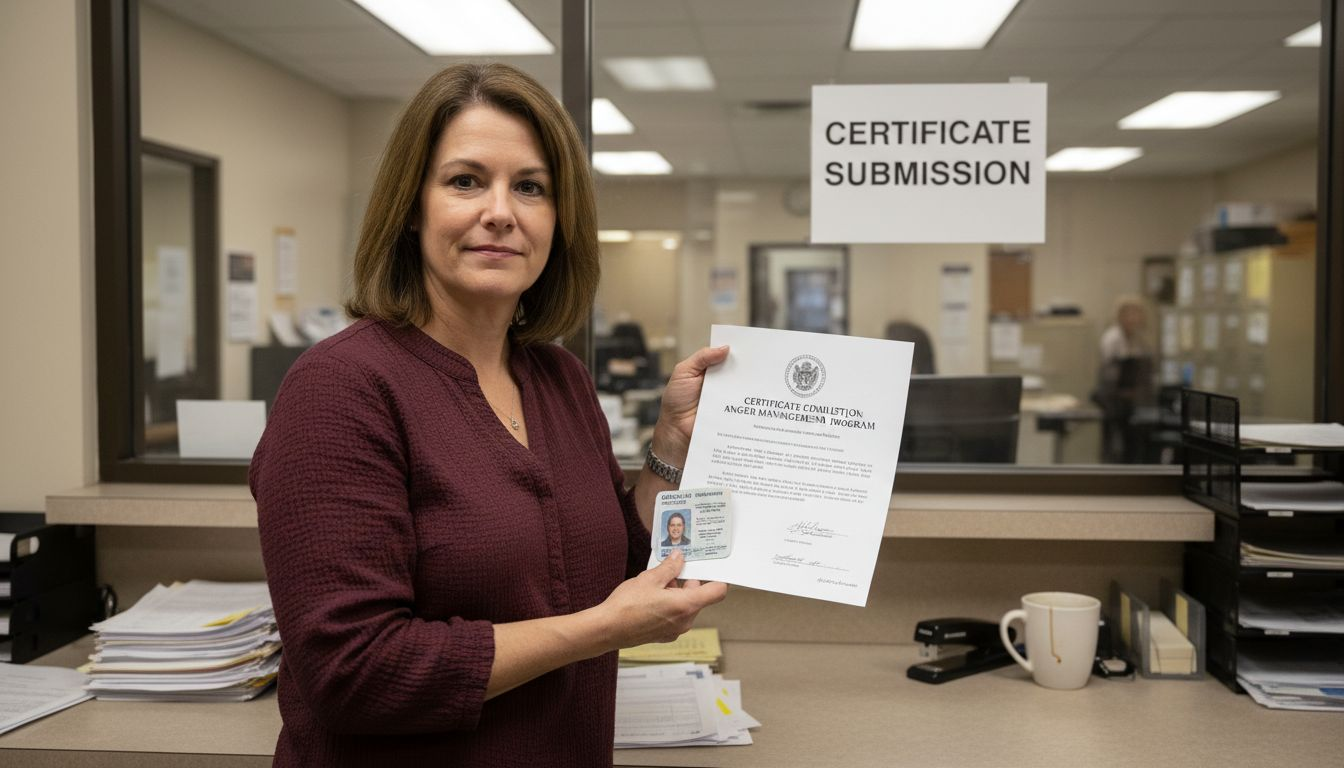
What legitimate documentation includes is specific. Your certificate should clearly display the provider’s name, business registration number, and contact information. It should state your name, the exact course hours completed, the date of completion, and the course title. It should include the instructor’s name and relevant credentials, such as LCMHC (Licensed Clinical Mental Health Counselor) or similar professional licenses.
Many providers also include a statement of completion that explains what the course covered, confirming that it was a real anger management program, not a generic online class. Some providers go further and include a provider letter on separate letterhead, addressed to courts and employers, specifically stating that the course meets court-order requirements and explaining the curriculum basis. When you’re comparing programs, understanding how these classes work helps you identify which ones have the administrative backbone necessary for court acceptance.
The reason documentation matters so much is that it protects both you and the court. When you submit documentation with all these elements, the court’s staff can independently verify everything without calling you or the provider multiple times. They can see immediately that the provider is legitimate, the hours match the order, and the curriculum was appropriate.
This makes their job easier and increases the likelihood of acceptance. Conversely, a bare-bones certificate with minimal information, no contact details for the provider, and no credentialing information looks suspicious. Court staff have seen too many fake certificates and diploma mills to accept questionable documentation. They would rather send you back to complete a course with a recognized provider than risk accepting something that might not be legitimate.
Some providers include money-back guarantees specifically because their documentation is solid enough to gain acceptance. If the court rejects your certificate, they’ll refund your money or let you retake the course, no questions asked. This guarantee exists because they’re confident in their documentation and curriculum.
When you’re evaluating courses, this guarantee becomes a signal of quality. A provider willing to stake their revenue on court acceptance is betting that their documentation will hold up. Cheaper providers often don’t offer guarantees because their documentation is weaker or their curriculum doesn’t meet standards. They’re banking on the fact that many people won’t follow up if the certificate gets rejected.
Pro tip: Before paying for any course, ask the provider to show you a sample completion certificate so you can see exactly what documentation you’ll receive, then email that sample to your probation officer or court to confirm acceptance before enrolling.
Comparing Course Prices and Pitfalls
The cheapest course is rarely the best deal when your court order is on the line. You can find online anger management classes for as little as $24.99, and while budget matters when you’re already dealing with legal costs, the real expense comes when you have to retake a rejected course. Understanding what drives price differences helps you identify which programs offer legitimate value and which ones cut corners in ways that hurt your case.
Online anger management course costs vary significantly based on length, format, and instructor qualifications. A basic 4-hour online course typically runs between $25 and $60, while a comparable in-person course costs $50 to $100 for the same hours. As courses get longer, prices increase substantially. A 12-hour course might cost $75 to $150, a 24-hour program could run $200 to $400, and comprehensive 52-hour programs often range from $500 to over $1200.
The price differences at each level reflect real differences in what you receive. Cheaper options at the low end of these ranges often mean minimal instruction, no psychological assessment, generic video content, and bare-bones certification. Higher-priced options typically include personalized assessment, detailed workbooks, instructor interaction, and comprehensive documentation designed specifically for court submission. The problem is that people sometimes choose based purely on price, assuming all courses are basically the same.
Hidden costs create traps that many people discover only after enrolling. Some providers advertise a low course price but then charge extra for certificate printing, expedited completion, court verification letters, or rush processing. Others require payment for a psychological assessment separately from the course itself. A few charge fees if you need to reschedule or if you fall behind and need extra time to complete. When you see a course advertised for $29.99, ask directly: is that the total cost, or are there additional fees added during checkout? Will there be charges for the certificate, shipping, or court documentation? Can you get written confirmation of the final price before committing?
These questions catch hidden costs before they become problems. Accredited professionals command higher fees but offer valid certification essential for court acceptance, and this price difference is worth understanding. A licensed mental health professional’s involvement costs more because that credential actually means something to courts. A program taught by someone with no qualifications is cheaper, but courts question whether it meets legitimate standards.
The real pitfall is choosing a non-approved provider and discovering afterward that your certificate won’t be accepted. This forces you to pay again and start over, effectively doubling your cost plus extending your timeline. Many cheap courses come from providers with no track record of court acceptance, no verifiable credentials, no registration, or no real curriculum structure.
When courts reject these certificates, people realize too late that they saved $50 upfront but now need to spend $200 to complete a legitimate course. Another common pitfall is insufficient course hours leading to rejection. You find a 12-hour course that looks perfect and cheap, enroll, complete it, submit the certificate, and only then learn the court actually required 24 hours.
You have to do it all over again. This is why confirming your exact requirement before enrolling matters so much. A final pitfall is providers that promise court acceptance without any real basis. They claim their program is “court-approved” or “court-accepted” without being able to provide evidence. Real providers can show you specific courts and jurisdictions where their certificates are accepted, can provide references, and will back their claims with guarantees.
When comparing prices, invest time in verification. Ask potential providers: Can you show me a sample certificate? Can you provide contact information for courts or probation departments that accept your certificates? What are your credentials? Will you guarantee court acceptance? Do you offer a refund if my certificate is rejected? Providers with solid programs welcome these questions and answer them thoroughly.
Providers with weak programs dodge these questions or give vague answers. The value calculation for anger management courses should never be price alone. You’re buying legitimate court compliance, not just course access. A $100 program that gets accepted the first time is cheaper than a $30 program that gets rejected and requires a second enrollment. When you factor in your time, stress, and potential legal consequences, the $70 price difference becomes irrelevant.
Pro tip: Contact your local court or probation office directly and ask which anger management providers they regularly accept, then compare prices among those trusted providers rather than doing a blind price search online.
Choosing a Compliance-Grade Program
Compliance-grade anger management is a different category entirely from self-help courses or general wellness programs. A compliance-grade program is built specifically to meet legal requirements, operates with institutional accountability, uses validated assessment tools, and produces documentation that courts actually accept. When you’re choosing a program, you’re not just picking educational content. You’re selecting a provider that understands court systems, knows what documentation works, and has the professional infrastructure to back up their claims. The distinction matters because generic online courses fail court acceptance at predictable rates, while compliance-grade programs succeed.
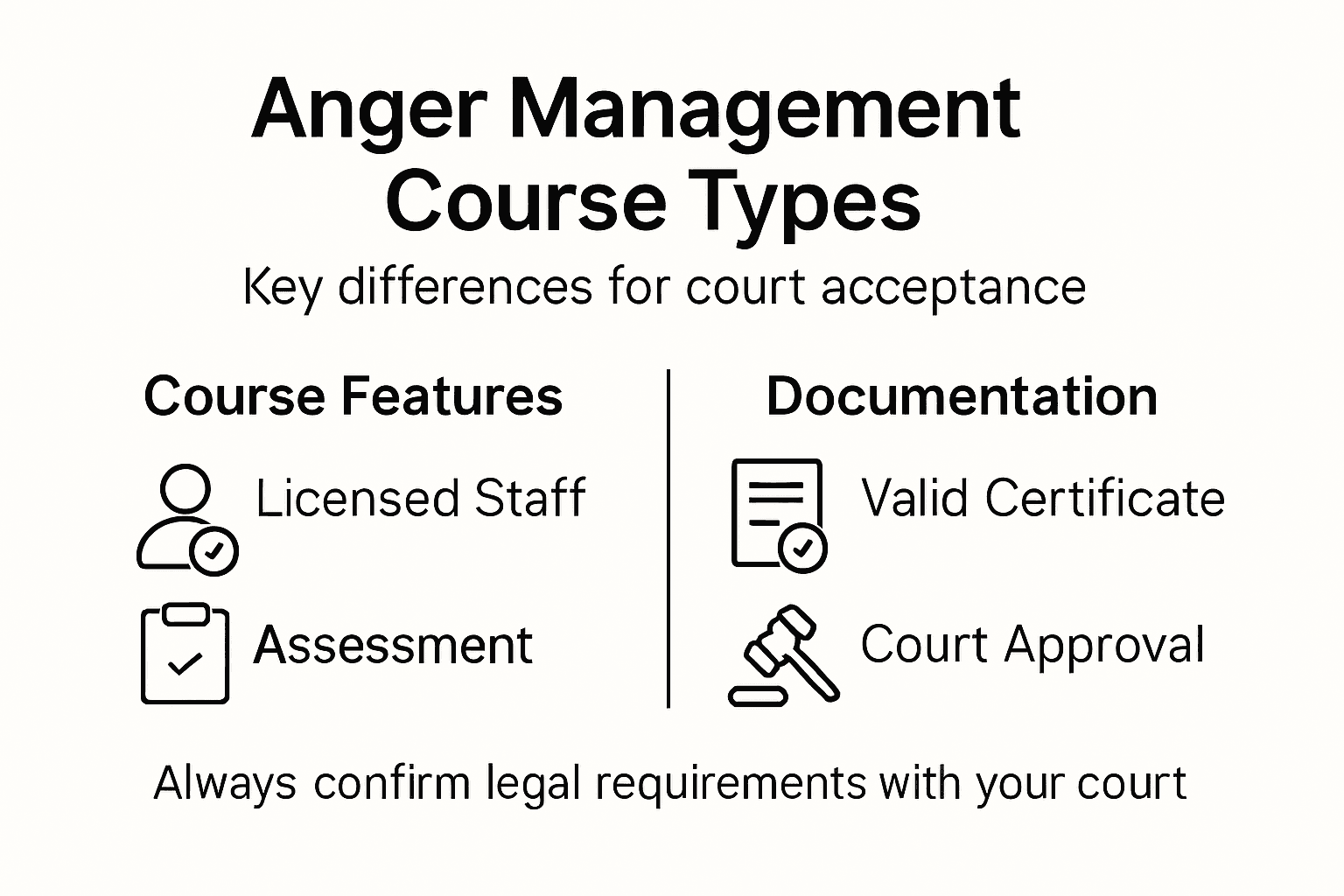
What makes a program compliance-grade comes down to several concrete factors. First, the provider is operated or supervised by a licensed mental health professional who takes responsibility for the curriculum and outcomes. Second, the program uses validated psychological assessment tools to measure anger intensity and recommend appropriate course length, creating a clinical basis for your enrollment. Third, the curriculum is structured around evidence-based anger management techniques, not generic self-help theories.
Fourth, completion documentation includes detailed information about what you learned, your assessment results, and the provider’s credentials so courts can verify legitimacy. Fifth, the provider has a track record with courts and can point to specific jurisdictions where their certificates are accepted. Sixth, they stand behind their work with guarantees or refund policies if courts reject the certificate. A program checking all these boxes is compliance-grade. A program checking most of them but missing a few critical elements is not.
The assessment piece separates compliance-grade programs from cheaper alternatives. When you enroll in a real anger management course, you complete a screening assessment that measures your anger level, identifies your specific triggers, and evaluates your risk factors. This assessment doesn’t just generate a score. It’s documented and included with your certificate, giving courts concrete evidence that you completed an appropriate program matched to your needs.
A cheap course skips this step entirely. You log in, watch videos, take a quiz, and get a certificate without anyone ever assessing whether the course content actually fit your situation. Courts see this and recognize immediately that it’s not a legitimate anger management program. When you complete courses designed for court compliance, the assessment is built in, not bolted on. Your certificate demonstrates that you were assessed, placed in an appropriate program length, and completed evidence-based instruction.
Choosing a compliance-grade program also means understanding the provider’s scope and credibility. Research whether the company is accredited, registered, and able to provide verifiable contact information. Look for programs operated by licensed counselors, psychologists, or social workers rather than general educators.
Check whether they’ve been in operation for multiple years, not just weeks or months. Ask whether they serve courts, probation departments, and employers regularly, or whether they’re primarily self-help focused. A provider that’s primarily self-help focused might still be legitimate, but they’re less likely to understand court requirements. Providers with significant court business know exactly what documentation works and what gets rejected. They’ve learned through thousands of completions what works and what doesn’t.
The investment in a compliance-grade program is higher than a cheap course, but this is exactly where the price conversation matters differently. A compliance-grade program typically costs more because it includes professional staff, validated assessments, detailed instruction, proper documentation, and accountability. You’re paying for infrastructure that ensures your certificate will be accepted.
A cheap program saves money upfront but risks rejection, which forces you to start over and pay again anyway. When you factor in potential rejection costs, legal complications from a rejected certificate, and the stress of having to redo the whole process, the compliance-grade option is actually cheaper. Additionally, many compliance-grade providers offer flexible payment plans, sliding scale pricing, or financial assistance programs because they understand that court-ordered clients often have limited budgets. You don’t have to choose between affordability and compliance. You just have to look for providers combining both.
One practical way to identify compliance-grade programs is to look for providers that can answer specific questions clearly and confidently. Can they explain their curriculum basis? Can they describe their assessment process? Can they show you sample certificates? Can they provide a list of courts or jurisdictions where their certificates are accepted? Can they guarantee court acceptance or offer refunds if rejected?
Providers operating at the compliance-grade level welcome these questions because they have nothing to hide. They can articulate exactly how their program works and why it meets court standards. Providers that dodge questions, give vague answers, or can’t provide verification are signaling that they’re not compliance-grade, regardless of how they market themselves.
To help choose the right online program, use this quick reference for compliance-grade versus basic anger management courses:
| Criteria | Compliance-Grade Program | Basic Online Course |
|---|---|---|
| Instructor Credentials | Licensed professionals | Variable/unlisted |
| Court Acceptance Guarantee | Offered and documented | None or vague |
| Assessment Tools | Clinically validated | Usually missing |
| Documentation Quality | Detailed, verifiable | Minimal, generic |
Pro tip: Before enrolling, verify the provider’s credentials directly by checking state licensing boards or professional organizations rather than just accepting their claims on their website.
Choose Court-Approved Anger Management That Works for You
Navigating the complexities of court-ordered anger management classes can be overwhelming. You need a program that matches the exact hours your court requires and delivers compliance-grade instruction backed by licensed professionals. This article highlights the importance of proper course length, valid assessments, and legally accepted documentation — all critical factors to avoid costly delays or certificate rejections.
At MasteringAnger.com, we understand these challenges and offer online anger management classes from 4 to 52 hours tailored to meet your court’s specifications. Our programs include clinically validated psychological assessments that ensure you enroll in the correct course length. Every certificate you receive features detailed documentation trusted by courts, probation officers, and employers nationwide.
Don’t risk choosing a course that falls short of legal requirements. Take control now with a proven program designed by Dr. Carlos Todd, PhD, LCMHC, a nationally recognized anger management expert. Visit MasteringAnger.com to find the right course for your needs, receive proper documentation, and complete your court-ordered mandate with confidence. Start your journey toward lasting change today by exploring our full range of Anger Management Classes and see how professional guidance makes the difference.
Frequently Asked Questions
What is the difference between basic anger management courses and compliance-grade programs?
Compliance-grade programs are specifically designed to meet legal requirements and include licensed professionals, validated assessments, and detailed documentation for court acceptance. Basic courses often lack these elements and may not be recognized by the court.
How do I ensure that the anger management course I choose will be accepted by my court?
To ensure court acceptance, verify that the provider is accredited, offers detailed documentation, includes assessment tools, and can provide a guarantee for court acceptance. Always confirm your specific requirements with your probation officer or attorney before enrolling.
What factors influence the length and price of anger management courses?
The length and price of anger management courses are influenced by the severity of the offense, the court’s requirements, and the depth of instruction provided. Longer programs typically offer more comprehensive content and assessments, which can justify higher costs.
Can I take online anger management courses at my own pace?
Yes, many online anger management courses offer self-paced options, allowing you to progress through the material at your own speed, making it easier to balance with other commitments.
Recommended
- Anger Management Courses in Texas | Masteringanger.com®
- Prisoner Legal Aid – Professional Legal Document Preparation Services
Dr. Carlos Todd PhD LCMHC specializes in anger management, family conflict resolution, marital and premarital conflict resolution. His extensive knowledge in the field of anger management may enable you to use his tested methods to deal with your anger issues.