
 English
 Spanish
Pent-Up Anger: Causes, Symptoms &, How To Release

Anger can be a powerful force for both change and destruction. While it is a normal and natural emotion that everyone experiences, its impact largely depends on how it is expressed and managed.
When anger is suppressed and unexpressed, it transforms into ‘pent-up anger,’ a condition that can have significant negative implications for an individual’s emotional, mental, and physical well-being.
This blog delves deep into the meaning of pent-up anger, causes, symptoms, consequences, and how to release it, providing insights into how it can disrupt various aspects of life, from personal health to relationships.
What Is Pent-Up Anger?
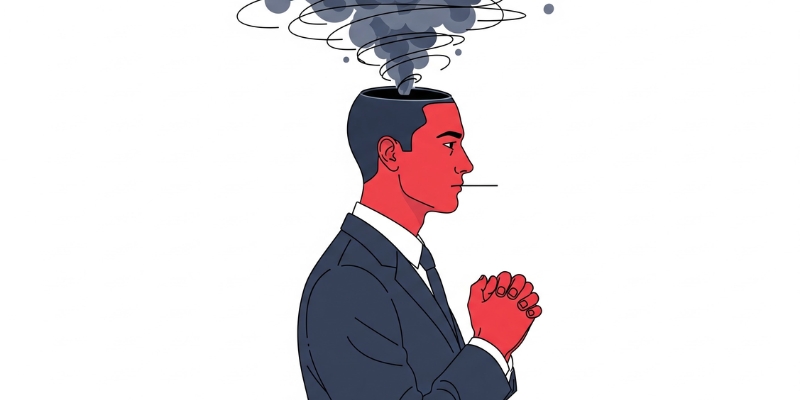
Pent-up anger is the unexpressed, suppressed, or unresolved anger that accumulates over time. Unlike healthy expressions of anger, which are communicated directly, pent-up anger stays bottled up due to societal pressures, personal inhibitions, or fear of consequences.
This suppressed emotion builds up gradually, often starting with small irritations, unmet expectations, or past grievances that were never addressed.
As it festers within, pent-up anger can create a heavy burden, affecting both emotional and physical well-being. It can feel like a storm brewing beneath the surface, ready to explode.
What Causes Pent-Up Anger?
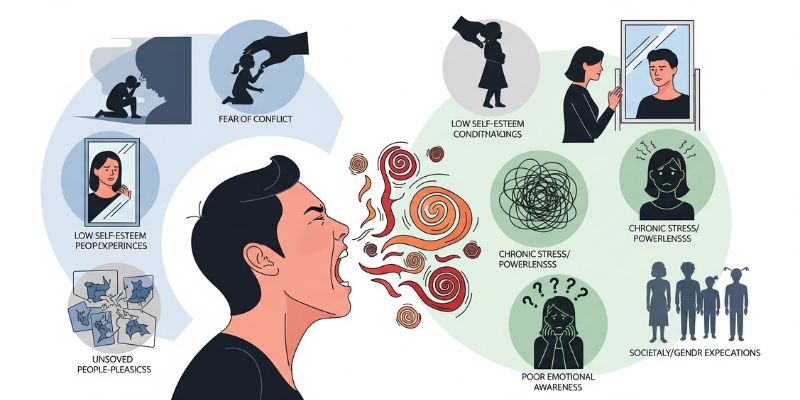
Pent-up anger rarely appears overnight. It is often the result of long-standing emotional habits, learned behaviors, and environmental influences that teach people to suppress instead of express.
When anger is repeatedly pushed down, it doesn’t disappear: it lingers beneath the surface, shaping how a person reacts, communicates, and even perceives the world.
Below are the most common causes behind pent-up anger, along with how each contributes to emotional suppression.
- Fear of Conflict
Many individuals avoid expressing anger because they fear conflict, confrontation, or rejection.
They worry that showing anger might harm relationships or make them appear aggressive or unreasonable. This fear leads to silence in moments that deserve honest expression.
Over time, unspoken frustrations pile up, resulting in emotional tension, resentment, and eventually explosive outbursts over minor issues.
- Childhood Conditioning
Our earliest lessons about emotions often shape how we handle anger as adults. Growing up in homes where anger was punished, dismissed, or labeled as “bad” teaches children to suppress it.
Cultural or religious values that promote harmony at all costs can reinforce this pattern. As adults, these individuals may struggle to express anger, fearing it will lead to rejection or loss of love.
- Low Self-Esteem or People-Pleasing
Those who base their self-worth on others’ approval often suppress anger to keep the peace. People-pleasers fear being seen as “difficult” or “ungrateful,” so they prioritize others’ comfort over their own emotions.
While this may maintain surface-level harmony, it often leads to inner frustration, anxiety, and emotional exhaustion.
- Unresolved Past Experiences
Old wounds, betrayals, or unaddressed trauma can fuel long-lasting resentment. When these emotions aren’t expressed or processed, they become trapped in the body and mind.
This unresolved anger often resurfaces in unrelated situations, making it harder to stay calm or emotionally balanced in the present.
- Chronic Stress or Powerlessness
When someone feels consistently undervalued or unheard (whether at work, in relationships, or within family dynamics) it can lead to chronic frustration.
The feeling of being trapped without control creates an internal build-up of anger.
Without healthy outlets or communication, this suppressed energy turns into irritability, fatigue, and even burnout.
- Poor Emotional Awareness
Some people simply don’t recognize anger when it arises. They might label it as stress, sadness, or anxiety because they never learned to identify or name emotions accurately.
This limited self-awareness leads to emotional suppression rather than resolution, allowing anger to accumulate subconsciously.
- Societal and Gender Expectations
Social norms heavily influence how people express anger. Men are often discouraged from showing vulnerability, while women are told not to appear “angry” or “emotional.”
These double standards push both genders toward emotional suppression. The result is internalized frustration that can damage both mental health and relationships over time.
Signs and Symptoms of Pent-Up Anger
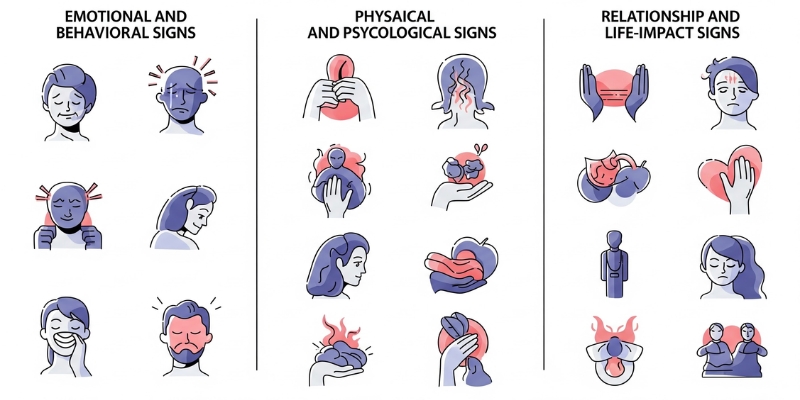
Pent-up anger does not always look like rage or shouting. In fact, many people who struggle with it appear calm or controlled on the outside while feeling emotionally tense inside. Because suppressed anger often hides behind irritability, anxiety, or physical discomfort, it can go unnoticed for years.
Recognizing the signs is the first step in releasing and managing anger in a healthy way.”
- Emotional and Behavioral Signs
People with pent-up anger often experience frequent irritability or find themselves snapping at small things that wouldn’t normally bother them.
The frustration that has been bottled up spills over in subtle, indirect ways such as sarcasm, silent treatment, or resentment toward loved ones.
Some individuals avoid conflict altogether, shutting down emotionally to “keep the peace.”
Others may experience sudden, unexpected outbursts that seem out of proportion to the situation. This unpredictable cycle of avoidance and eruption is a hallmark of suppressed anger.
- Physical and Psychological Signs
The body often carries what the mind suppresses. Chronic muscle tension, headaches, digestive issues, and disrupted sleep are common physical signs of pent-up anger.
You might also feel constantly “on edge” or restless, sensing that something is wrong even when life seems fine on the surface.
These symptoms often arise because unexpressed anger keeps the nervous system in a state of hyperarousal, draining both energy and emotional resilience.
- Relationship and Life-Impact Sign
Pent-up anger inevitably affects relationships. You may feel distant or emotionally unavailable, becoming irritated with loved ones without understanding why.
Sometimes, anger surfaces as passive hostility—coldness, withdrawal, or sudden arguments that seem to come from nowhere.
At work, suppressed anger can lead to decreased productivity, difficulty focusing, and emotional burnout.
Over time, these unresolved emotions not only harm mental well-being but also strain connections and create barriers to personal and professional growth.
Consequences and Impacts of Pent-Up Anger
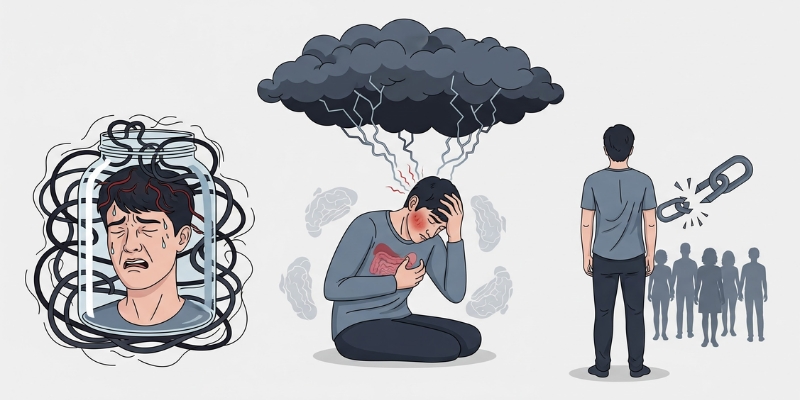
Pent-up anger can quietly infiltrate nearly every part of your life, from your mental health to your relationships and physical well-being.
While keeping anger inside may seem like a form of control, over time, it creates more harm than relief. Suppressing this emotion can lead to chronic tension, emotional fatigue, and even health complications.
Understanding these impacts is crucial to recognizing why acknowledging and expressing anger safely is so important.
- Mental and Emotional Impact
Emotionally, pent-up anger often manifests as anxiety, depression, or chronic irritability. People who suppress anger may also feel guilt or shame for “feeling angry” at all, especially if they were taught that anger is wrong.
This inner conflict can destroy self-esteem and create a sense of helplessness or emotional numbness.
Over time, the unprocessed tension drains mental energy, leaving you more vulnerable to stress and burnout.
- Physical Health Impact
Physically, repressed anger activates the body’s chronic stress response, raising cortisol and adrenaline levels. This constant physiological strain can lead to high blood pressure, heart problems, migraines, and digestive issues.
Sleep disturbances and fatigue are also common, as the body struggles to relax when it is in a persistent state of alert.
- Social and Relational Impact
Pent-up anger rarely stays hidden forever: it shapes your interactions with others. Over time, trust disappears, miscommunication increases, and resentment builds.
Relationships may become distant or hostile. In professional settings, chronic irritability or withdrawal can lead to burnout, poor decisions, and damaged workplace relationships.
- Long-Term Risks
When suppressed anger finally surfaces, it can do so explosively. Prolonged emotional repression increases the risk of intense outbursts, aggression, or self-destructive behaviors.
While this outcome is not inevitable, it highlights why learning to process and express anger in healthy ways is essential for long-term emotional stability and overall well-being.
How to Release Pent-Up Anger
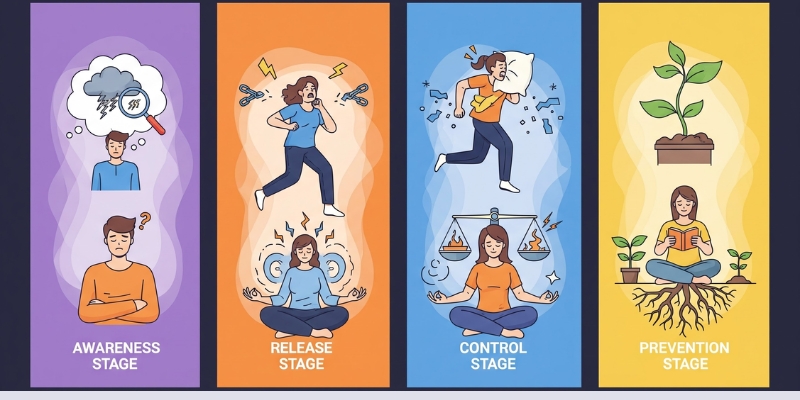
Pent-up anger does not disappear on its own; it builds pressure until it finds a way out. Learning to identify, express, and regulate your anger in healthy ways can transform that pressure into emotional clarity and control.
From immediate physical techniques to long-term emotional practices, there are numerous effective ways to process and release built-up anger before it controls you.
1. Deep Breathing and Relaxation
When anger surges, your body’s fight-or-flight response kicks in. Deep, controlled breathing activates the parasympathetic nervous system, which counteracts this stress response and calms your body.
By focusing on your breath, you interrupt the cycle of escalating anger and create space for rational thought.
Example: Try focusing on your breath for a few moments. Slowly inhale for 4 seconds, hold for 4, exhale for 4, and repeat. This method immediately reduces physiological stress and helps you regain emotional control.
2. Calming Mantra
Repeating a simple mantra helps redirect your mind from negative, anger-driven thoughts toward something more constructive. This cognitive intervention can break the cycle of anger and help ground you in the present moment.
Choose a mantra like “I choose peace” or “This too shall pass.” Repeat it to yourself during moments of anger.
The repetitive nature of a calming phrase shifts your mental focus, helping you replace angry thoughts with feelings of calm and control. Over time, this practice reprograms your brain to manage anger more effectively.
3. Sensory Techniques
Engaging your senses provides an immediate distraction from anger and helps reset your emotional state.
Simple sensory input can quickly shift your focus and reduce emotional intensity. Try splashing cold water on your face, holding an ice cube, or focusing on a specific texture or scent.
These sensory techniques help interrupt the feedback loop of anger and bring you back to the present moment, reducing the emotional charge and restoring a sense of calm.
4. Physical Exercises
Physical activity metabolizes excess stress hormones and releases endorphins, your body’s natural mood elevators, which help alleviate anger. The rhythmic nature of exercises like running or swimming can also have a meditative effect.
Example: A 20-minute brisk walk or intense boxing session can transform overwhelming anger into manageable energy.
These activities help release pent-up energy, transforming overwhelming anger into a manageable force, allowing you to regain emotional balance and clear your mind. The rhythmic nature of movement also promotes a meditative state, enhancing emotional clarity.
5. Dance It Out
Dancing combines physical exertion with emotional expression, making it particularly effective for mood alteration. The combination of music and movement can quickly shift your emotional state and release pent-up tension.
Play your favorite music and dance freely for a few minutes to elevate your mood and transform anger into joy.
6. Using the Body for Release
Physical movements like shaking or wringing help release the muscular tension that often accompanies pent-up anger. These actions provide a direct outlet for emotional energy, helping to discharge built-up frustration and restore balance.
Example: Try shaking your arms and legs vigorously for 30 seconds or twist a towel in your hands as if wringing out stress. These physical actions can release tension and help you calm down.
7. Safe Object Release
Using objects like stress balls or pillows allows for physical release without causing harm. This approach satisfies the physical impulse to strike out while maintaining safety and control.
This approach helps prevent destructive behavior while giving your body a chance to discharge built-up emotional energy, promoting a sense of control and calmness.
Start Journaling
Writing provides a private space to express angry thoughts without consequences. The act of transferring emotions to paper can create psychological distance and clarity.
Example: If you feel overwhelmed, take a moment to write down everything you’re feeling without judgment. Write it all out, whether it’s messy or perfectly phrased. This simple act can help you process the emotion.
6. Art and Music
Creative expression offers a non-verbal outlet for complex emotions that may be difficult to articulate. The process of creation can be inherently calming and transformative.
Try painting, drawing, or playing an instrument to express your emotions.
Artistic expression helps transform negative feelings into creative output. This non-verbal release provides a way to process anger healthily and channel that energy into something constructive and healing.
7. Screaming or Singing
Vocal expression releases the physical tension in your chest and throat that often accompanies anger. Finding a private space to use your voice freely can provide immediate relief.
8. Talking to Someone
Sharing your feelings with a trusted friend or family member offers validation and provides a fresh perspective. External support can help you process emotions more effectively and feel less isolated in your experience.
9. Constructive Communication
Using “I” statements allows you to express your feelings without triggering defensiveness in others. This approach fosters understanding rather than conflict.
Example: When communicating with others, try to avoid accusations. Instead of saying, ‘You never listen to me,’ reframe it to, ‘I feel unheard when we talk about…’. This reduces defensiveness and creates a more productive conversation.
10. Identify Triggers and Patterns
Recognizing what triggers your anger helps you anticipate and manage your emotional responses proactively. Regular reflection helps you recognize patterns and prepare coping strategies.
Example: Start by tracking when you feel anger rising. Is it when you’re overworked, under-rested, or when certain people trigger a reaction? Recognizing these patterns is the first step to taking control.
11. Mindfulness
Mindfulness practices help you observe angry thoughts and feelings without immediately reacting to them. This creates space between trigger and response, allowing for more conscious choices.
12. Setting Boundaries
Setting and enforcing clear boundaries helps prevent the buildup of resentment, which often leads to anger. Learning to say “no” and communicate your limits is essential for emotional health.
13. Improving Sleep and Diet
Physical well-being directly impacts emotional regulation. Adequate rest and balanced nutrition not only restore the body’s physical energy but also stabilize mood and enhance mental clarity.
Proper sleep improves cognitive function, making it easier to process emotions and react calmly to stressors.
Meanwhile, a nutrient-rich diet, particularly one with omega-3 fatty acids, complex carbohydrates, and lean proteins, supports neurotransmitter balance, reducing irritability and increasing emotional resilience, which are essential for effective anger management.
14. Seek Professional Support
Professional therapy offers personalized strategies for understanding and managing chronic anger. Therapists can help identify root causes and develop sustainable coping mechanisms.
Example: Therapists can provide tools and strategies tailored to your situation. Whether through CBT or other therapeutic methods, professionals can help you uncover the root causes of your anger and develop healthy coping mechanisms.
A licensed anger management specialist can help you uncover deep-seated issues, teach emotional regulation techniques, and support lasting emotional balance through structured anger management classes.
Real-Life Example of Pent-Up Anger
John, a 38-year-old finance professional, was known for being dependable and calm under pressure. He rarely said no to extra hours, took on additional projects without complaint, and prided himself on being “the reasonable one” at home.
But over time, small frustrations started piling up: being overlooked for a promotion, feeling unappreciated by his boss, and managing constant stress without rest.
At first, John didn’t recognize the signs of pent-up anger. He brushed off his irritability as fatigue and ignored the tightness in his chest and sleepless nights. But soon, he began snapping at his partner over minor issues, feeling guilty afterward yet unable to stop.
Through therapy, John learned to recognize that his anger wasn’t about the small triggers; it was a build-up from feeling undervalued and unheard.
He began clarifying his emotions by journaling and talking openly about his frustrations. Instead of bottling them up, he started expressing his anger constructively through honest conversations and regular exercise.
As he practiced releasing anger in healthy ways, his mood and relationships improved. Over time, John maintained emotional balance by setting clearer boundaries at work and checking in with his feelings regularly.
His journey shows that acknowledging and processing pent-up anger isn’t weakness; it’s emotional maturity in action.
Frequently Asked Questions (FAQs)
Why do I have so much pent up anger?
You may have pent-up anger because you’ve been suppressing your emotions instead of expressing them.
This often happens when you fear conflict, feel powerless, or are taught that showing anger is wrong. Over time, unspoken frustrations build up, leading to emotional tension and irritability.
Conclusion
Pent-up anger is often the result of years of suppressing emotions, ignoring boundaries, or fearing conflict. In this article, you’ve learned how this hidden anger builds up, the signs that reveal it, and the practical ways to release it safely.
Remember, anger itself isn’t bad; it’s a natural emotion that signals unmet needs or unresolved pain.
When you acknowledge and process it in healthy ways, you regain control over your emotional well-being. Healing starts with awareness, honesty, and the courage to express what you truly feel.
Releasing pent-up anger doesn’t mean losing control; it means transforming tension into understanding and strength.
Allow yourself to feel, communicate, and let go, that’s how you create emotional balance and lasting peace within yourself and your relationships.
Dr. Carlos Todd PhD LCMHC specializes in anger management, family conflict resolution, marital and premarital conflict resolution. His extensive knowledge in the field of anger management may enable you to use his tested methods to deal with your anger issues.



Responses