 English
 Spanish
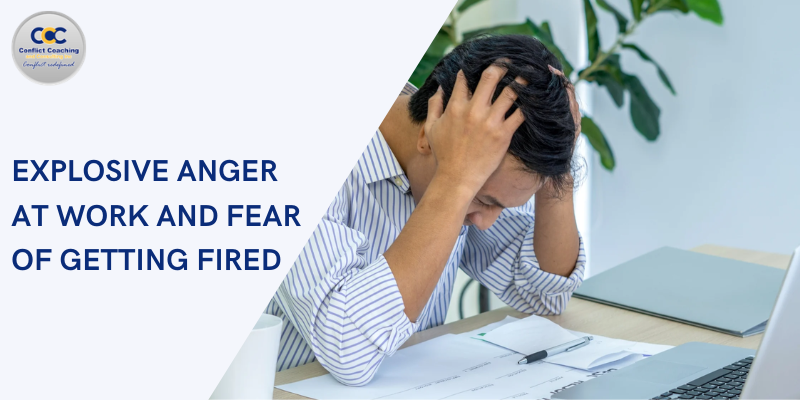
Explosive Anger at Work – Risks and Solutions for Employees

Facing disciplinary action for uncontrolled anger can feel overwhelming when your job, livelihood, and reputation are at stake. Anger outbursts in the American workplace are often judged as signs of poor competence and lack of self-control, which can lead to lower status and even risk termination. Reliable anger management solutions give you the critical skills to recognize and manage explosive reactions so you can fulfill legal requirements, protect your career, and rebuild professional trust.
Key Takeaways
| Point | Details |
|---|---|
| Recognize Explosive Anger | Explosive anger includes sudden, intense outbursts that can disrupt workplace dynamics and damage professional reputations. |
| Identify Common Triggers | Workplace anger is often triggered by perceived unfairness, high productivity demands, and unresolved interpersonal conflicts. |
| Understand Implications | Unmanaged explosive anger can lead to decreased job performance, disciplinary actions, and potential job loss. |
| Utilize Effective Strategies | Evidence-based anger management techniques, such as mindful reflection and assertive communication, can help employees regulate their emotional responses. |
Defining Explosive Anger in the Workplace
Workplace anger represents a complex emotional response that goes far beyond simple frustration or momentary irritation. Explosive anger specifically refers to intense, sudden, and often disproportionate emotional outbursts that disrupt professional environments and interpersonal dynamics. Workplace anger functions reveal nuanced psychological mechanisms that transform ordinary workplace tensions into potentially destructive emotional eruptions.
Research demonstrates that explosive anger manifests through several key behavioral characteristics:
- Sudden, uncontrolled verbal or physical reactions
- Disproportionate emotional responses to minor workplace triggers
- Aggressive communication styles that violate professional boundaries
- Rapid escalation from mild frustration to intense rage
- Persistent difficulty regulating emotional responses
Workplace anger is not merely an individual emotional experience but a complex social interaction with significant professional consequences. Anger expression perceptions reveal that employees expressing uncontrolled anger are frequently perceived as less competent and professionally immature.
Psychological research indicates that explosive anger emerges from multiple interconnected sources, including unresolved personal stress, inadequate emotional regulation skills, workplace pressures, and potential underlying mental health challenges. The manifestation of such anger can range from verbal aggression to more subtle forms of professional misconduct.
Pro Tip: Learn to recognize early warning signs of escalating anger before it becomes unmanageable, such as increased heart rate, muscle tension, and racing thoughts.
Common Triggers and Types of Outbursts
Workplace anger emerges from a complex web of professional and personal stressors that can manifest in various explosive behavioral patterns. Workplace anger triggers reveal that employees frequently experience anger due to perceived unfairness, intense productivity demands, and unresolved interpersonal conflicts.
Research identifies several critical categories of anger outbursts in professional environments:
- Verbal Aggression: Shouting, insulting, or using demeaning language
- Passive-Aggressive Behaviors: Sarcastic comments, intentional work sabotage
- Physical Intimidation: Threatening gestures, invading personal space
- Emotional Shutdown: Sudden withdrawal or complete communication cessation
- Impulsive Destructive Actions: Property damage or equipment throwing
Intermittent explosive disorder symptoms demonstrate that these outbursts typically last less than 30 minutes but can cause significant workplace disruption. Physiological precursors often include increased muscle tension, rapid heartbeat, and racing thoughts that signal an imminent emotional eruption.
The underlying causes of workplace anger are multifaceted, ranging from personal stress and unmet professional expectations to systemic workplace challenges like poor management, unclear communication, and limited career advancement opportunities. Understanding these triggers is crucial for developing effective emotional regulation strategies and maintaining professional relationships.
Here’s a summary of workplace anger triggers and their potential professional consequences:
| Trigger Type | Short-Term Impact | Long-Term Impact |
|---|---|---|
| Perceived unfairness | Increased stress, resentment | Damaged career advancement |
| Intense productivity demands | Reduced focus, irritability | Lower job satisfaction |
| Unresolved conflicts | Team tension, communication issues | Harmed workplace relationships |
| Poor management | Low morale, frustration | Higher turnover risk |
| Limited growth opportunities | Career stagnation, disengagement | Decreased motivation |
Pro Tip: Practice immediate self-awareness techniques like deep breathing and mental counting when you feel anger escalating to prevent potentially destructive workplace interactions.
How Explosive Anger Impacts Job Security
Job security represents far more than just maintaining employment – it encompasses professional reputation, career advancement, and workplace relationships. Workplace anger perceptions reveal that employees who regularly express uncontrolled anger are systematically perceived as less competent and professionally unreliable.
Specifically, explosive anger can compromise job security through several critical mechanisms:
- Decreased performance evaluations
- Reduced leadership potential
- Higher likelihood of disciplinary actions
- Damaged interpersonal workplace relationships
- Potential termination for repeated behavioral issues
Destructive anger consequences demonstrate that chronic anger significantly undermines professional opportunities. Employers consistently view anger-prone employees as risks to organizational productivity, team morale, and overall workplace harmony.

The long-term professional implications of unmanaged anger extend beyond immediate workplace interactions. Repeated explosive outbursts can create permanent reputational damage, limiting future career advancement, reducing networking opportunities, and potentially leading to formal performance improvement plans or termination.
Pro Tip: Document and track your emotional responses during challenging workplace interactions to develop self-awareness and demonstrate professional growth to management.
Legal and HR Consequences for Employees
Workplace anger represents more than just an emotional challenge – it can trigger serious legal and professional repercussions that fundamentally threaten an employee’s career stability. Workplace anger legal implications reveal that inappropriate anger displays can create substantial organizational liabilities, potentially exposing employees to disciplinary actions and employers to potential harassment claims.
The legal and HR consequences of explosive anger typically manifest through several critical mechanisms:
- Formal written warnings
- Mandatory anger management training
- Performance improvement plans
- Potential suspension without pay
- Risk of immediate termination
- Potential civil litigation for creating hostile work environments
Organizational responses to explosive anger are systematically documented and escalate based on incident severity. Initial infractions might trigger counseling or training, while repeated or extreme outbursts can result in immediate termination. Employers are legally required to maintain safe, professional work environments, which means they must take decisive action against employees who consistently demonstrate uncontrolled aggressive behaviors.
Beyond immediate workplace consequences, explosive anger can generate long-lasting professional complications. Documentation of anger-related incidents can be included in permanent employee records, potentially hindering future job prospects, limiting professional recommendations, and creating significant barriers to career advancement across multiple industries.
Pro Tip: Maintain a personal incident log documenting your emotional responses and proactively seek professional support if you recognize recurring anger management challenges.
Recognizing Warning Signs and Seeking Help
Explosive anger represents a complex emotional challenge that requires careful self-awareness and proactive intervention. Workplace anger warning signs reveal multiple behavioral and emotional indicators that signal potential anger management problems before they escalate into serious professional consequences.
Physical and behavioral warning signs include:
- Rapid, uncontrolled heart rate during conflicts
- Persistent muscle tension and physical agitation
- Frequent verbal outbursts or aggressive communication
- Disproportionate emotional reactions to minor workplace stressors
- Consistent feelings of frustration and resentment
- Difficulty controlling emotional responses
- Recurring thoughts of confrontation or retaliation
Intermittent explosive disorder symptoms demonstrate that professional intervention becomes critical when these warning signs persist. Seeking help can involve multiple strategies, including workplace counseling, anger management programs, individual therapy, and developing emotional intelligence skills.
Understanding these warning signs represents the first step toward meaningful personal and professional transformation. Recognizing problematic anger patterns allows individuals to take proactive measures, protect their career trajectory, and develop healthier emotional regulation strategies that support long-term personal and professional success.
Pro Tip: Create a personal emotional tracking journal to document triggers, reactions, and potential improvement strategies, which can help you develop greater self-awareness and demonstrate commitment to personal growth.
Evidence-Based Anger Management Solutions
Workplace anger management requires strategic, scientifically validated approaches that transform destructive emotional patterns into constructive communication strategies. Workplace anger coping strategies demonstrate that employees can effectively regulate their emotional responses through targeted interventions.
Evidence-based anger management techniques include:
- Practicing mindful pause and reflection before reacting
- Utilizing assertive communication with ‘I’ statements
- Implementing personal boundary-setting techniques
- Developing stress management and relaxation skills
- Engaging in regular emotional intelligence training
- Seeking professional counseling or support resources
- Documenting and analyzing personal anger triggers
Adaptive coping mechanisms reveal that problem-focused strategies and emotional regulation significantly mediate workplace anger outcomes. These approaches help employees prevent emotional escalation and maintain professional composure during challenging interactions.
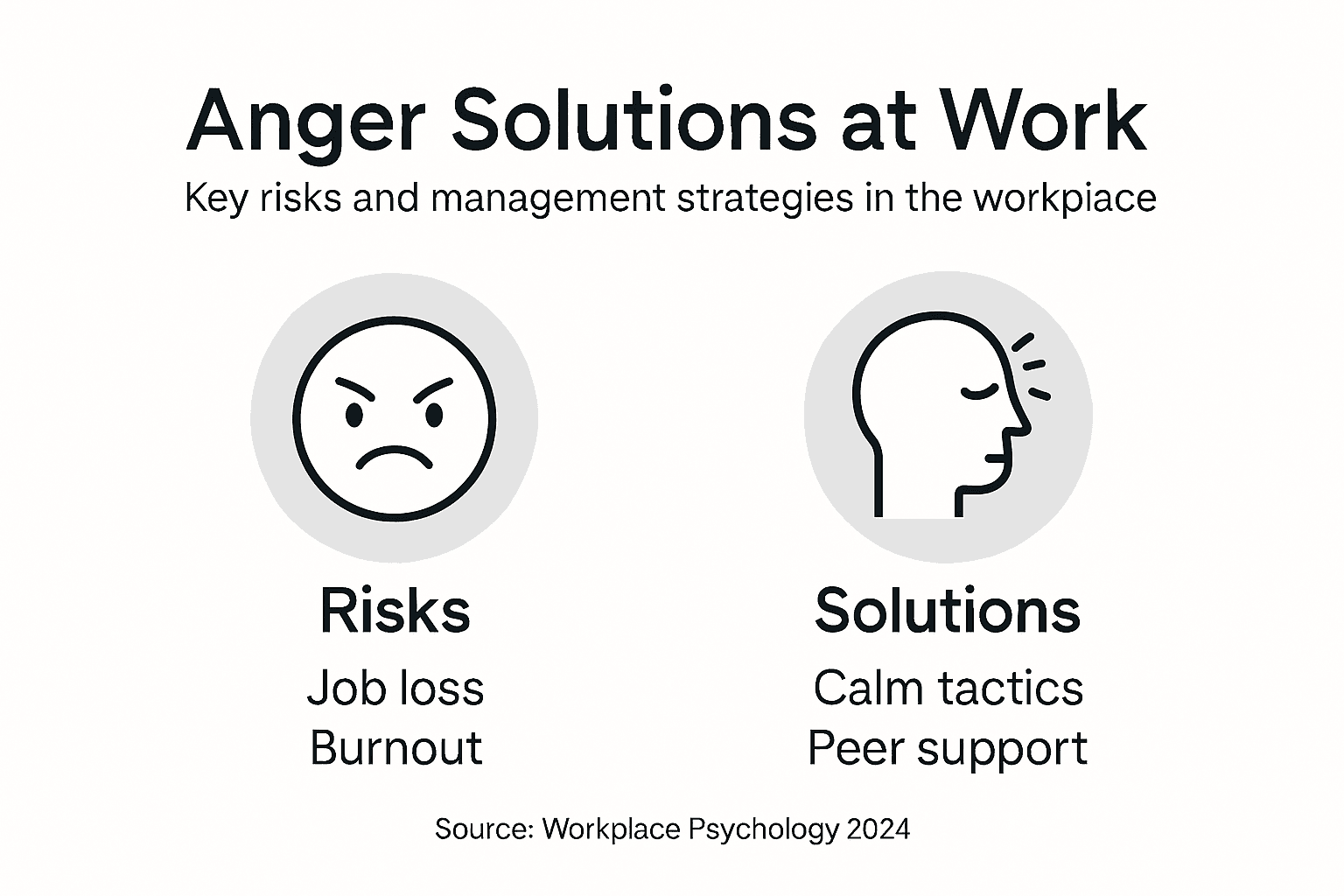
Successful anger management is not about suppressing emotions, but developing sophisticated emotional intelligence that allows for thoughtful, measured responses. By understanding personal triggers, practicing self-regulation techniques, and seeking appropriate support, employees can transform potentially destructive anger into productive professional communication.
The following table compares common anger management strategies and their effectiveness:
| Management Strategy | Main Benefit | Best Application |
|---|---|---|
| Mindful pause and reflection | Prevents impulsive reactions | Before responding to conflict |
| Assertive communication | Builds mutual respect | During disagreements |
| Emotional intelligence training | Enhances self-awareness | Continual professional development |
| Stress reduction techniques | Reduces physical symptoms | When stress levels rise |
Pro Tip: Create a personal anger response flowchart that maps your typical emotional triggers and pre-planned, constructive response strategies to interrupt automatic negative reaction patterns.
Take Control of Explosive Anger and Protect Your Career
Explosive anger at work can create serious challenges including damaged relationships, reduced job security, and potential legal consequences. If sudden, intense outbursts or difficulty regulating emotional responses are impacting your professional life, it is critical to act now. MasteringAnger.com offers evidence-based anger management solutions designed to help employees and individuals like you regain control and rebuild professional trust.
Our structured anger management classes provide clinically developed strategies and legal-grade certification that courts, employers, and HR departments recognize. Through targeted assessments and personalized course recommendations, you gain tools to recognize triggers, regulate responses, and improve workplace communication. Take the first step toward transforming explosive anger into constructive outcomes by visiting MasteringAnger.com today. Strong emotional control starts with the right support right now.
Frequently Asked Questions
What is explosive anger in the workplace?
Explosive anger in the workplace refers to intense, sudden emotional outbursts that are often disproportionate to minor triggers. It can disrupt professional environments and impact interpersonal dynamics significantly.
What are common triggers for explosive anger at work?
Common triggers include perceived unfairness, intense productivity demands, unresolved conflicts, poor management, and limited growth opportunities. Recognizing these triggers can help employees manage their emotional responses better.
How can explosive anger affect job security?
Explosive anger can compromise job security by leading to decreased performance evaluations, increased likelihood of disciplinary actions, and potential termination. Employees expressing uncontrolled anger may be viewed as less competent and reliable by employers.
What strategies can help manage explosive anger in the workplace?
Effective strategies include practicing mindful pause and reflection before reacting, utilizing assertive communication, setting personal boundaries, and engaging in stress management techniques. Seeking professional counseling or support can also be beneficial.
Recommended
- Anger Management Training for Employees | Mastering Anger
- Anger Arousal: How to Track & Transform Your Triggers | Masteringanger.com®
- How Should Leaders Deal with Anger? 10 Tips – Mastering Anger
- The role of anger in the wake of tragedy | Masteringanger.com®
- Forex Trading Psychology Course – Trade Mindfully In 6 Weeks | FxShop24 Marketplace
Dr. Carlos Todd, PhD, LCMHC is a Licensed Clinical Mental Health Counselor, nationally recognized anger management and conflict resolution specialist, and founder of MasteringAnger.com and Conflict Coaching and Consulting Inc. With over 20 years of clinical experience, Dr. Todd has developed evidence‑based anger management programs used by individuals, couples, corporations, law enforcement agencies, and healthcare organizations across the United States. He holds a PhD with a specialization in conflict management intervention and is certified in anger management. His proprietary workbook and course curriculum have helped thousands of adults build lasting emotional regulation skills. MasteringAnger.com has been in continuous operation since 2009, offering court‑accepted, clinician‑designed online anger management courses ranging from 4 to 52 hours.